
Time to move on?
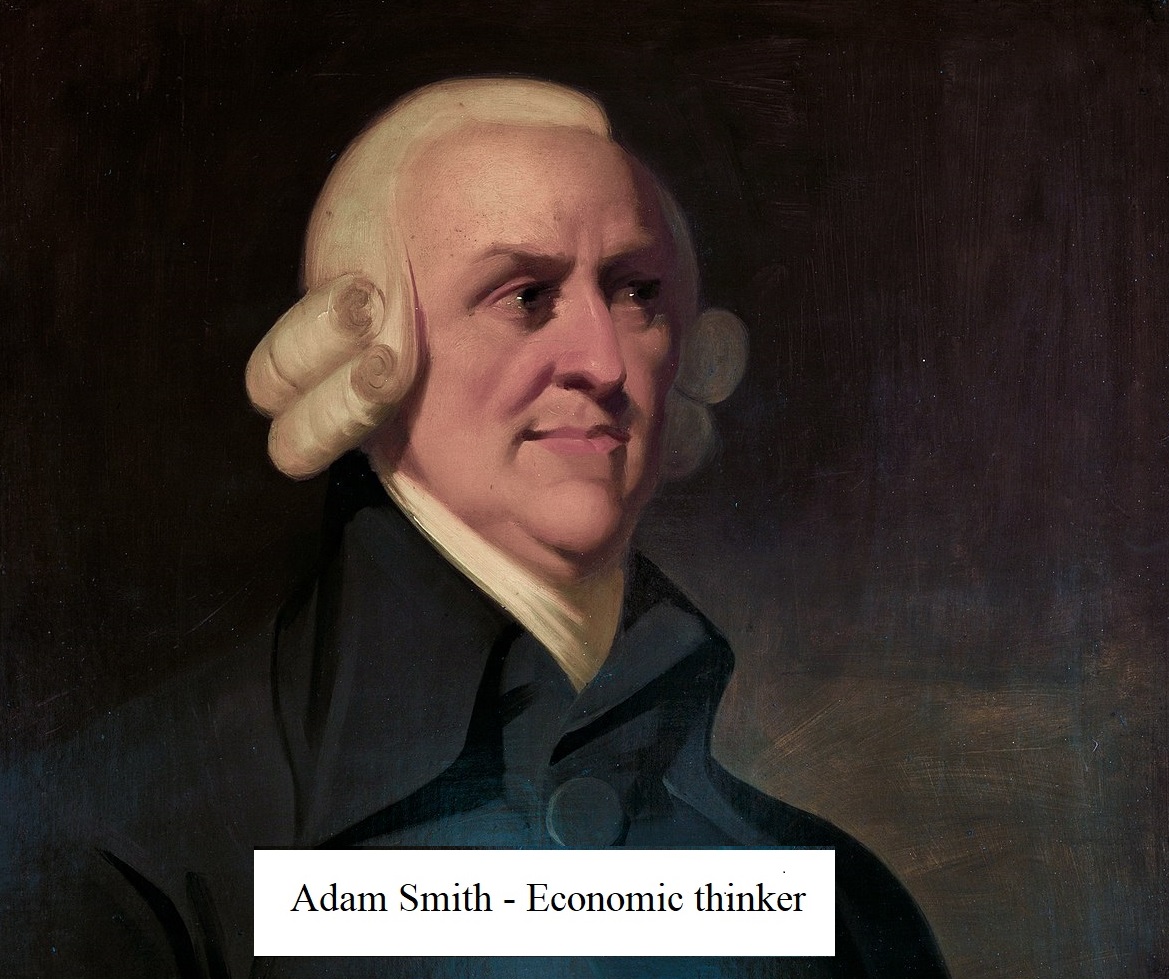
Two hundred years ago, when the key figures in the history of economics, Adam Smith and David Ricardo, were writing works that were to become fundamental textbooks in the discipline, it is not so surprising that they and their followers were attracted by the idea that the state got in the way of economic growth by blocking the working of markets. For what was the state at the time? In many countries it was little more than a monarch, usually but not always a King, pursuing the interests of his family, trying to preserve or extend his dynasty. True, that model of the self-interested monarch was slowly proving inadequate as more and more people got the vote in the nineteenth century. Moreover, it is perhaps unfair to characterize all of the ‘enlightened despots’ of the eighteenth century as self-interested; Joseph II of Austria, for one, in the face of resistance from the nobility, tried to improve and better his state.
 But it does not seem unreasonable to see a parallel between eighteenth-century assumptions about the distorting effects of interfering royal dynasties upon trade, and twenty-first century assumptions about many developing countries having ruling élites, often from the same family or tribe, who involve themselves in markets only to feather their own nests. The assumption is ‘Let the state get involved in the market and corruption is sure to follow’. The distortions produced by nepotism and patronage will prove inevitable. Roads will be built where no one wants them to go, because they pass a rich uncle’s estate. Factories will be given special grants to produce more of something no one wants, because a friend of the ruling élite owns them. Where the state goes, ‘inefficiency’ and corruption are sure to follow, even though WTO rules try as hard as they can to make such ‘corruption’ impossible, by restricting the role of the state in the economy.
There are many economists – Keynes was one – who have challenged this idea, pointing out that the state can be a very effective entrepreneur and that without the state’s involvement it is difficult to see how certain countries could have developed. It is the ‘Where would Japan be without Toyota and where would Toyota be without the Japanese state?’ argument. What is clear from reading the material on food reserves available from organisations like the FAO and many different NGOs, however, is that they remain firmly rooted in the sort of assumptions that guided Adam Smith a quarter of a millennium ago. They cannot perceive of the state as a force for good.
It is the idea that once the state becomes involved inefficiency and corruption are bound to follow. Is there a plan for a government-sponsored food reserve? Wait a minute, it’ll ‘crowd out’ private investment. Crowd it out? Just where are the crowds of private investors seeking to manage food reserves? It is a very simplistic assumption that state involvement must, by definition, mean elbowing someone else out of the way. Where’s the evidence? And this government-sponsored food reserve, surely it will simply offer high prices to the farmers it wishes to support (probably friends of the family) and then sell the reserves at a ridiculously low price to another set of family friends or dynastic associates.
If you try to point out that the whole idea behind buffer stocks is that market forces predominate, allowing you to buy cheap (to replenish stocks after good harvests) and sell dear (to increase supply after bad harvests) then you are simply not believed. How can state interference be designed to promote market forces? Surely the two must always be at war with one another? Finally, it is presumed that WTO rules, that essential barrier against state interference, must prevent you even dreaming of setting up buffer stocks, even though buffer stocks can be made perfectly compatible with the rules of the WTO.
A lot of NGOs and other organisations find it easy to think of giving away food to the poor in the event of famine or rushing in aid (however difficult) from thousands of miles away, because such measures, apart from their attractive ‘the international community coming to the rescue’ aspect, don’t suggest that the state might be able to create a mechanism that would make such emergencies much less likely. But states can, and with the right opportunities would, be able to reduce the price volatility that makes essential foods either unaffordable to the consumer or so cheap that they drive the producers out of business. States can help to prevent that happening. The only problem is that many organisations believe that states can do nothing but enrich the élites they represent. It is the same idea about self-serving ruling dynasties that seemed to reflect the power of the state in the eighteenth century. And there are still a lot of people, including economists, who aren’t sure whether or not it’s time to move on.