
Buffer stocks and The Guardian newspaper
The Guardian ran an interesting editorial at the beginning of this year (on 16th January). Though the focus was on energy prices, the remedy was familiar to those who have followed these blogs.
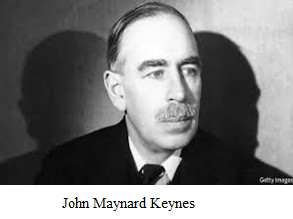 ‘Britain should look to John Maynard Keynes for answers,’ the editorial ran. ‘The basic fault of commodity markets, he saw, was the private sector’s failure to make effective use of stockpiling.’ How many times has ACTION emphasised that those who worry about ‘crowding out’ the private sector by having a public system of buffer stocks fail to recognise that there is very limited interest on the part of the private sector in stockpiling? The Guardian Leader went on to say: ‘Keynes proposed government storage of raw materials and foodstuffs to stabilise prices – by buying up essentials from world markets when they were cheap and selling them to consumers when they were dear.’ Exactly – and this buy cheap, sell dear policy is what makes such a system sustainable – and less expensive than many economists recognise. The article went on: ‘In 1942, he went further to propose an international system of buffer stocks to limit the fluctuation of the prices of key commodities. Keynes showed that buffer stocks could secure macroeconomic stability. His proposals were adopted partially by the United States, and others, after the second world war – becoming a defining feature of the golden age of capitalism.’ That golden age was the post-war boom which came for a generation and then disappeared half a century ago.
The leader continued: ‘Producing and consuming countries have conflicting interests when it comes to key commodities, but they share an interest in stable prices as a pre-condition for sustained investment. Keynes saw a pricing policy as a solution to high, unstable prices. This makes sense but is anathema to current economic thought.’
The article was right – and it is ‘current economic thought’ that needs to change. It concluded by saying: ‘The United Nations says average food prices jumped about 28% last year to a 10-year high. In Italy, pasta risks becoming unaffordable. Britain has an energy price cap that does not live up to its name. The answer to soaring bills is not to raise interest rates and make families poorer. Instead, Britain should have a serious conversation about key commodities as a source of power and their absence as a strategic vulnerability; and heed the wisdom of the past to deal with crises of the present.’
This was written one month before Russian forces moved into Ukraine and the situation, whether in terms of energy or food, started to become even worse. This fact only reinforces the prescience of those who wrote the article and the need to heed their words. The editorial understood the role of buffer stocks in dealing with the ‘strategic vulnerability,’ as it called it, a vulnerability which has become increasingly apparent over the last six months, not only in the UK but in many other parts of the world. It is time to build up these stocks on a worldwide basis in the way Keynes envisaged nearly a century ago.